EFA: Etsy For Animals Etsy For Animals: pink flamingo day


Etsy for Animals (EFA) aka Artists Helping Animals,

is a team of independent artists, craftspeople,

vintage sellers and craft suppliers on Etsy.com

who are dedicated to providing charitable relief to animals

by donating a portion of the profits from their shops

to an animal charity of their choosing,

and/or to EFA's featured Charity of the Month.

Showing posts with label pink flamingo day. Show all posts

Sunday, May 29, 2011

A Day to celebrate Pink Flamingos !


A Day to Celebrate Pink Flamingos !

Written by Tricia of UpCycledStuff


Before you get too excited about another informative and well written bird article by a Team EFA member, let me just tell you that Pink Flamingo Day is a celebration of those tacky yard ornaments designed by Don Featherstone that first arrived in yards in 1957.


After a quick look at the clown forum calendar (http://www.clown-forum.com/calendar.php?c=1) you’ll see that May 29 is the day to pull out those fabulous pink plastic birds and adorn the lawn with a flock.


The plastic pink flamingo has a rich history including a 1996 Ig Nobel Prize for Art. (http://improbable.com/ig/) These prizes are awarded for achievements that first make people laugh, and then make them think. But long before this recognition the flamingos appeared in a self titled film, “Pink Flamingos” and even spent some time as enemy #1, with many communities banning the iconic birds all together.


While I personally think that a great way to round out a month long celebration of birds is with a little kitsche, you know you’ll have to learn a little something about these beautiful LIVE birds too. This is Etsy for Animals, after all...


So here are three must know facts for your next summer BBQ:


1. The joint that you probably call the knee, is actually the birds ankle. Pay attention to the way it bends “backward” the next time you see one sit down.


2. The bird’s feather color does not come from food coloring. It’s actually due to the carotenoids in the crustaceans that they eat. If they don’t get these crustaceans (or special dietary supplements in captivity) when it’s time to molt, their new feathers will be void of color.


3. To avoid losing their eggs to rising water levels, both the male and female will construct a mound with mud and twigs. The female will lay one egg at the top of this mound which may be up to 12” in height.


Need more pink flamingos?


Scroll down to the post below this one and enjoy a lovely all EFA member Treasury: Pink as a Flamingo or click this link: http://www.etsy.com/treasury/4de174410f5a8eef1d88c737/pink-as-a-flamingo



ALL EFA Team Treasury: Pink as a Flamingo


'Pink as a Flamingo' by UpcycledStuff

Team EFA (Etsy for Animals) is celebrating Pink Flamingo Day on Sunday, May 29.

Enjoy the treasury and click to your hearts content... these Etsy artists donate a portion of their sales to animal related causes !


Greater Flamingo 6x12 origin...
$50.00

Bath Towel - Fluff and Dry -...
$25.00

Ripest Berries Necklace - Vi...
$28.00

western pink cowgirl oval be...
$21.00

Original ACEO Violetta the P...
$6.00

Hair clips, Ribbon, Button, ...
$5.00

Flamingos 8-1/2 x 11 print ...
$11.00

Personalized Stephen Joseph ...
$24.00

Pink Squirrel Cameo Pendant ...
$26.00

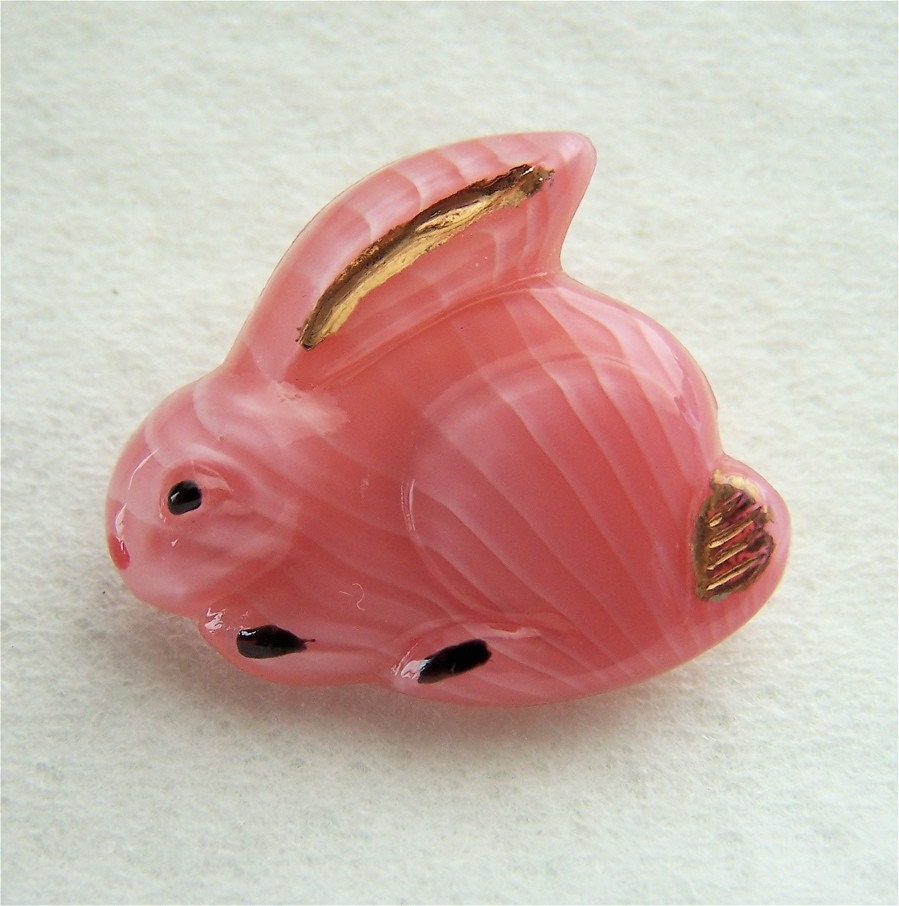
Czech glass button Mama Bunn...
$4.95

Breast Cancer Pink Boucle Sc...
$25.00

Water Lily 11 X 14 Fine Art ...
$60.00

Lampwork and Pink Cats Eye B...
$24.00

Hot Flamingo Note Cards Set ...
$12.99

SET of 4 Reusable Sandwich B...
$13.00

Sparrows and Blooms in Pink ...
$9.00

Treasury tool by Red Row Studio.


Friday, May 27, 2011

May 29th is Pink Flamingo Day !


May 29th is Pink Flamingo Day !
written by Heather of TheBlueWindmill


In honor of these wonderfully long-legged birds, here are a few facts about them:


Flamingoes are the common name for any “large, gregarious, wading birds comprising the family Phoenicopteridae”. Everyone knows what a flamingo looks like: long thin neck, webbed feet, short tail, pink or reddish plumage, long legs, large wings, black-tipped wings, and a black-tipped, curved bill for filter feeding.


There are four species native to the Americas and two native to Africa.


They are slender-bodied and tall, standing at a height of 31.5”-63” and weigh 5.5lbs-7.7lbs.


They are ecologically important as far as food chains.


Their young hatch with gray plumage while the adults have pinkish-red plumage due to the aqueous bacteria and beta carotene found in their food supply. Healthy flamingoes are vibrantly-colored; however captive flamingoes are an exception because the carotene levels are not comparable to those found in the wild, but this is changing as more zoos are adding prawns and supplements to their diets.


Flamingoes filter feed on mollusks, crustaceans, and brine shrimp. They stomp their feet in muddy shallow water to stir up food from the bottom then use their specially-shaped bills, which they use upside-down, to separate mud and silt from the food matter. The shrimp and blue-green algae that they consume provide the beta carotene needed for their beautiful pink and reddish plumage.


Flamingo chicks are lucky little ones as they have both parents as their food source. Flamingoes create“milk” that is produced by the hormone “prolactin”. It contains both fat and protein, and is “produced in glands lining the whole of the upper digestive tract, not just the crop.” (New World Encyclepedia) The milk doesn’t look anything like cow milk as it is a dark red substance.


Did I mention flamingoes were gregarious ? They flock in large numbers, called colonies, which range from the hundreds to the millions. Check it out: http://www.youtube.com/watch?v=1l2CcH0vHDc&feature=related


Why do flamingoes stand on one leg ? Nobody knows. This behavior is not truly understood but one theory maintains that by tucking one leg beneath the body, flamingoes conserve heat and keep the leg from getting wet.


Flamingoes breed in pairs but do not breed every year. Within the colony, groups of birds will engage in courtship rituals at the same time. Groups may contain several hundred to several thousand and the courtship displays involve preening, head turning, calling, and marching.


Take a look at a flamingo mating dance:

http://www.youtube.com/watch?v=CUb0evFZbNM&feature=related


When the birds engage in the same behavior at the same time, it helps to synchronize egg-laying and the raising of young.


Where do flamingoes live ? They are found in tropical and subtropical regions of the New and Old World, including North America, South America, Africa, and the Caribbean to name a few. Although typically tropical, one species called the “James flamingo” lives in the remote salt lagoons of the Andes Mountains, and in 1924 was thought to be extinct but was rediscovered in 1957.


“There are several official agencies that produce lists of endangered species, each agency having its own method of deciding conservation status. For example, no species of flamingo is listed as endangered under the U.S. Endangered Species Act. Some species were thought to be threatened, but are now listed as near threatened."


"The Convention on International Trade in Endangered Species of Wild Fauna and Flora (CITES) lists the Caribbean, greater, Chilean, Andean, and James' flamingos as in need of protection and considered to be threatened."


"The International Union for the Conservation of Nature and Natural Resources (IUCN)/World Conservation Union lists the Andean and James' flamingos as species of concern and in need of legal protection.” (The Wild Ones Animal Index)"


In reality all flamingo colonies are at risk since they depend on wetlands to survive. With the decline and ill-treatment of these areas due to human encroachment and pollution, humans are their biggest enemy. Not only do humans directly affect the lives of these gorgeous birds but we indirectly affect them as well, causing changes in the “natural processes” that occur on land, such as the depth and quality of water, as well as the salinity of water. These are very important considering that they inhabit “shallow saline, brackish, or alkaline water.” (NWE)


Hopefully through hard-work, global awareness, and conservation efforts, the flamingoes worst enemy can turn out to be their best friend!


Take Action


You can sign a petition to stop building of road in Serengeti Road and Mining in Tanzania, which would affect the habitat of flamingoes: http://www.thepetitionsite.com/3/stop-building-of-serengeti-road-and-mining-in-tanzania/


Show your support for our fine feathered friends by wearing pink on May 29th !

Resources


Related Posts Plugin for WordPress, Blogger...